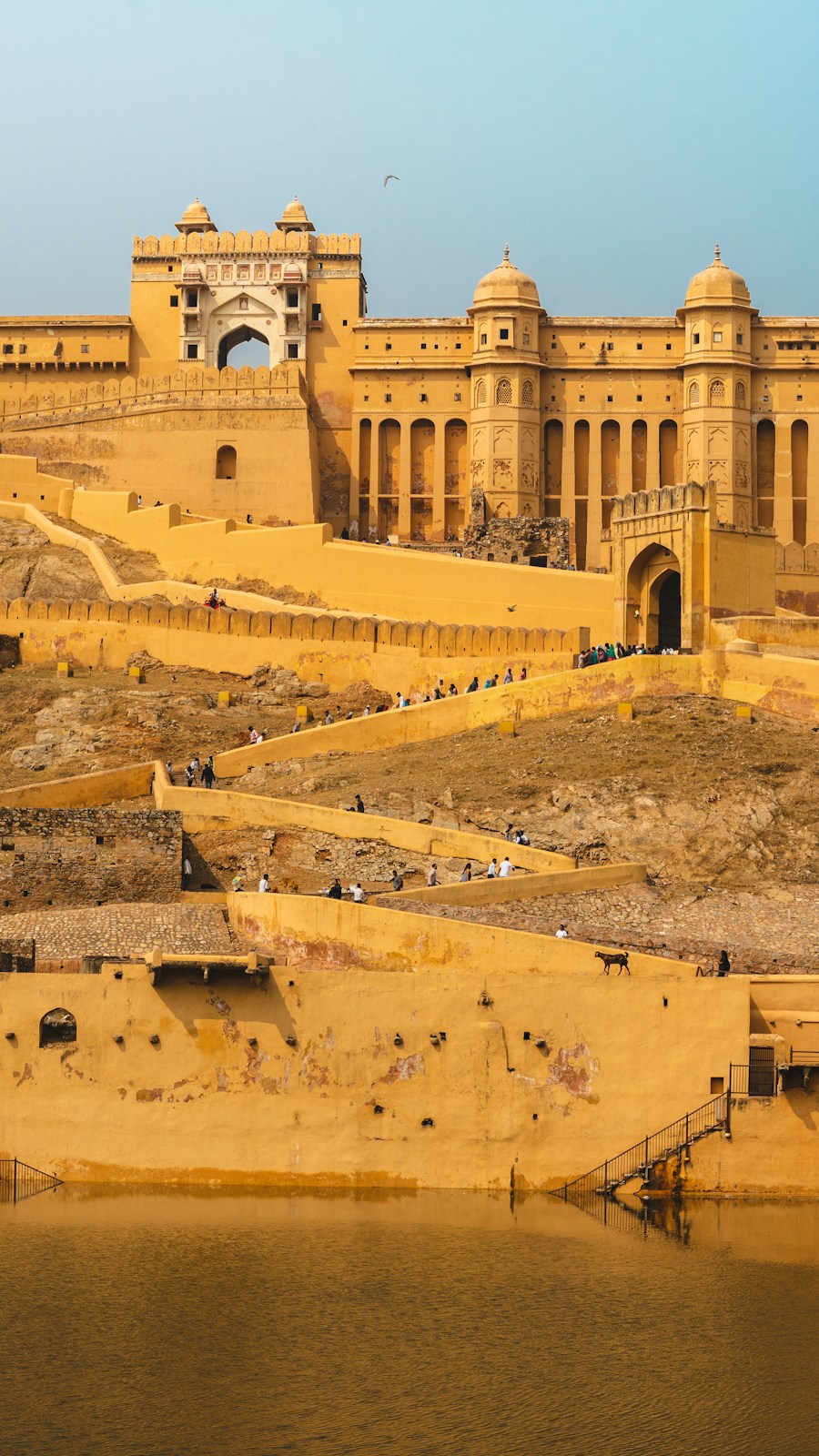
Rajasthan is rich and hot, and children feel both quickly. The trip works when forts are timed for mornings, afternoons are soft, and hotels have space to play. You will see less, and everyone will enjoy more.
Morning monuments only
Arrive early, leave before the heat peaks, and celebrate that you finished. Do not add a second big sight the same day. Ice cream and a rest beat another courtyard. Rajasthan with children, without the long fort days starts with a simple choice: go somewhere that fits how you actually travel, not how a brochure says you should. Pick one base that feels comfortable, keep transfers short, and leave space in the day for a meal that is not rushed. That alone changes the feeling of a trip. Most travellers try to see too much in the first two days. A better pattern is one main activity before lunch, then something light in the afternoon. If rain arrives, treat it as a pause rather than a problem. Cafes, markets, and quiet hotel lounges are part of the holiday, not a backup plan. Pack for comfort first. A light layer, good walking shoes, and a small day bag will cover more ground than a suitcase full of options. Keep medicines and chargers in your hand luggage. Leave room for one souvenir that is useful at home, not only decorative. Food is often the memory that lasts. Ask for local recommendations, try one new dish each day, and keep one familiar meal if you travel with children. Drink water regularly, especially on warm coastal days or high mountain mornings. When you book stays, choose location over luxury extras you will not use. A clean room near a walkable street saves energy every day. Confirm transfers once, write down the hotel address in local script if needed, and keep emergency contacts offline. This note is a starting point, not a rigid itinerary. Use it to decide the shape of your days, then adjust when you arrive. The best trips leave a little room for the unexpected, and for the kind of slow morning that makes travel feel like a holiday again.
Hotels as part of the plan
Choose stays with a pool or garden. That is not a luxury detail; it is how the afternoon survives. Confirm connecting rooms or family rooms before you book. Rajasthan with children, without the long fort days starts with a simple choice: go somewhere that fits how you actually travel, not how a brochure says you should. Pick one base that feels comfortable, keep transfers short, and leave space in the day for a meal that is not rushed. That alone changes the feeling of a trip. Most travellers try to see too much in the first two days. A better pattern is one main activity before lunch, then something light in the afternoon. If rain arrives, treat it as a pause rather than a problem. Cafes, markets, and quiet hotel lounges are part of the holiday, not a backup plan. Pack for comfort first. A light layer, good walking shoes, and a small day bag will cover more ground than a suitcase full of options. Keep medicines and chargers in your hand luggage. Leave room for one souvenir that is useful at home, not only decorative. Food is often the memory that lasts. Ask for local recommendations, try one new dish each day, and keep one familiar meal if you travel with children. Drink water regularly, especially on warm coastal days or high mountain mornings. When you book stays, choose location over luxury extras you will not use. A clean room near a walkable street saves energy every day. Confirm transfers once, write down the hotel address in local script if needed, and keep emergency contacts offline. This note is a starting point, not a rigid itinerary. Use it to decide the shape of your days, then adjust when you arrive. The best trips leave a little room for the unexpected, and for the kind of slow morning that makes travel feel like a holiday again.
Travel between cities
Limit overnight train experiments with young kids unless you already know they sleep well. Prefer daylight transfers and keep snacks ready. One city change every two nights is a kinder rhythm. Rajasthan with children, without the long fort days starts with a simple choice: go somewhere that fits how you actually travel, not how a brochure says you should. Pick one base that feels comfortable, keep transfers short, and leave space in the day for a meal that is not rushed. That alone changes the feeling of a trip. Most travellers try to see too much in the first two days. A better pattern is one main activity before lunch, then something light in the afternoon. If rain arrives, treat it as a pause rather than a problem. Cafes, markets, and quiet hotel lounges are part of the holiday, not a backup plan. Pack for comfort first. A light layer, good walking shoes, and a small day bag will cover more ground than a suitcase full of options. Keep medicines and chargers in your hand luggage. Leave room for one souvenir that is useful at home, not only decorative. Food is often the memory that lasts. Ask for local recommendations, try one new dish each day, and keep one familiar meal if you travel with children. Drink water regularly, especially on warm coastal days or high mountain mornings. When you book stays, choose location over luxury extras you will not use. A clean room near a walkable street saves energy every day. Confirm transfers once, write down the hotel address in local script if needed, and keep emergency contacts offline. This note is a starting point, not a rigid itinerary. Use it to decide the shape of your days, then adjust when you arrive. The best trips leave a little room for the unexpected, and for the kind of slow morning that makes travel feel like a holiday again.