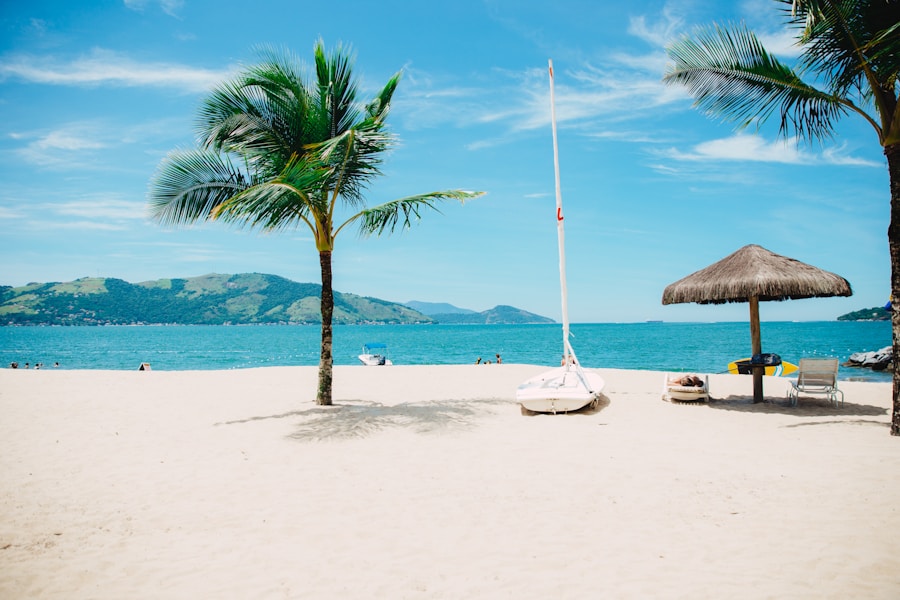
The Andamans look simple on Instagram and more logistical in real life. Ferries, island hops, and sun exposure matter. A calm first trip chooses fewer islands and better rest between boat days.
Pick fewer islands
Havelock and Neil are popular for a reason. Doing both plus Port Blair in a short window is tiring. Stay longer on one island if your holiday is under a week. First-time Andaman without overdoing the water starts with a simple choice: go somewhere that fits how you actually travel, not how a brochure says you should. Pick one base that feels comfortable, keep transfers short, and leave space in the day for a meal that is not rushed. That alone changes the feeling of a trip. Most travellers try to see too much in the first two days. A better pattern is one main activity before lunch, then something light in the afternoon. If rain arrives, treat it as a pause rather than a problem. Cafes, markets, and quiet hotel lounges are part of the holiday, not a backup plan. Pack for comfort first. A light layer, good walking shoes, and a small day bag will cover more ground than a suitcase full of options. Keep medicines and chargers in your hand luggage. Leave room for one souvenir that is useful at home, not only decorative. Food is often the memory that lasts. Ask for local recommendations, try one new dish each day, and keep one familiar meal if you travel with children. Drink water regularly, especially on warm coastal days or high mountain mornings. When you book stays, choose location over luxury extras you will not use. A clean room near a walkable street saves energy every day. Confirm transfers once, write down the hotel address in local script if needed, and keep emergency contacts offline. This note is a starting point, not a rigid itinerary. Use it to decide the shape of your days, then adjust when you arrive. The best trips leave a little room for the unexpected, and for the kind of slow morning that makes travel feel like a holiday again.
Water days with limits
One snorkel or beach morning is enough for many travellers. Use reef-safe sunscreen, drink water, and rest in shade after. Seasickness tablets help some people on ferry days. First-time Andaman without overdoing the water starts with a simple choice: go somewhere that fits how you actually travel, not how a brochure says you should. Pick one base that feels comfortable, keep transfers short, and leave space in the day for a meal that is not rushed. That alone changes the feeling of a trip. Most travellers try to see too much in the first two days. A better pattern is one main activity before lunch, then something light in the afternoon. If rain arrives, treat it as a pause rather than a problem. Cafes, markets, and quiet hotel lounges are part of the holiday, not a backup plan. Pack for comfort first. A light layer, good walking shoes, and a small day bag will cover more ground than a suitcase full of options. Keep medicines and chargers in your hand luggage. Leave room for one souvenir that is useful at home, not only decorative. Food is often the memory that lasts. Ask for local recommendations, try one new dish each day, and keep one familiar meal if you travel with children. Drink water regularly, especially on warm coastal days or high mountain mornings. When you book stays, choose location over luxury extras you will not use. A clean room near a walkable street saves energy every day. Confirm transfers once, write down the hotel address in local script if needed, and keep emergency contacts offline. This note is a starting point, not a rigid itinerary. Use it to decide the shape of your days, then adjust when you arrive. The best trips leave a little room for the unexpected, and for the kind of slow morning that makes travel feel like a holiday again.
Booking basics
Confirm ferry tickets early in peak season. Keep a buffer day before your return flight. Carry cash for small island purchases and keep important documents dry. First-time Andaman without overdoing the water starts with a simple choice: go somewhere that fits how you actually travel, not how a brochure says you should. Pick one base that feels comfortable, keep transfers short, and leave space in the day for a meal that is not rushed. That alone changes the feeling of a trip. Most travellers try to see too much in the first two days. A better pattern is one main activity before lunch, then something light in the afternoon. If rain arrives, treat it as a pause rather than a problem. Cafes, markets, and quiet hotel lounges are part of the holiday, not a backup plan. Pack for comfort first. A light layer, good walking shoes, and a small day bag will cover more ground than a suitcase full of options. Keep medicines and chargers in your hand luggage. Leave room for one souvenir that is useful at home, not only decorative. Food is often the memory that lasts. Ask for local recommendations, try one new dish each day, and keep one familiar meal if you travel with children. Drink water regularly, especially on warm coastal days or high mountain mornings. When you book stays, choose location over luxury extras you will not use. A clean room near a walkable street saves energy every day. Confirm transfers once, write down the hotel address in local script if needed, and keep emergency contacts offline. This note is a starting point, not a rigid itinerary. Use it to decide the shape of your days, then adjust when you arrive. The best trips leave a little room for the unexpected, and for the kind of slow morning that makes travel feel like a holiday again.